Looking for the right part of Yakima can feel harder than finding the right house. One street may feel open and residential, while another puts you closer to shops, transit, and city services. If you want a clearer picture of how West Valley, downtown, and Yakima’s older neighborhoods compare, this guide will help you sort out the tradeoffs and focus your search. Let’s dive in.
Why Yakima Feels So Different
Yakima serves as Central Washington’s regional hub for business, culture, education, health services, and government. Downtown planning also identifies the city core as Yakima’s commercial, civic, and cultural center.
For you as a buyer, that matters because neighborhood feel can change quickly from area to area. Housing type, lot size, street pattern, and access to daily services are not the same across the city, so it helps to match your home search to your routine.
West Valley: More Space, More Separation
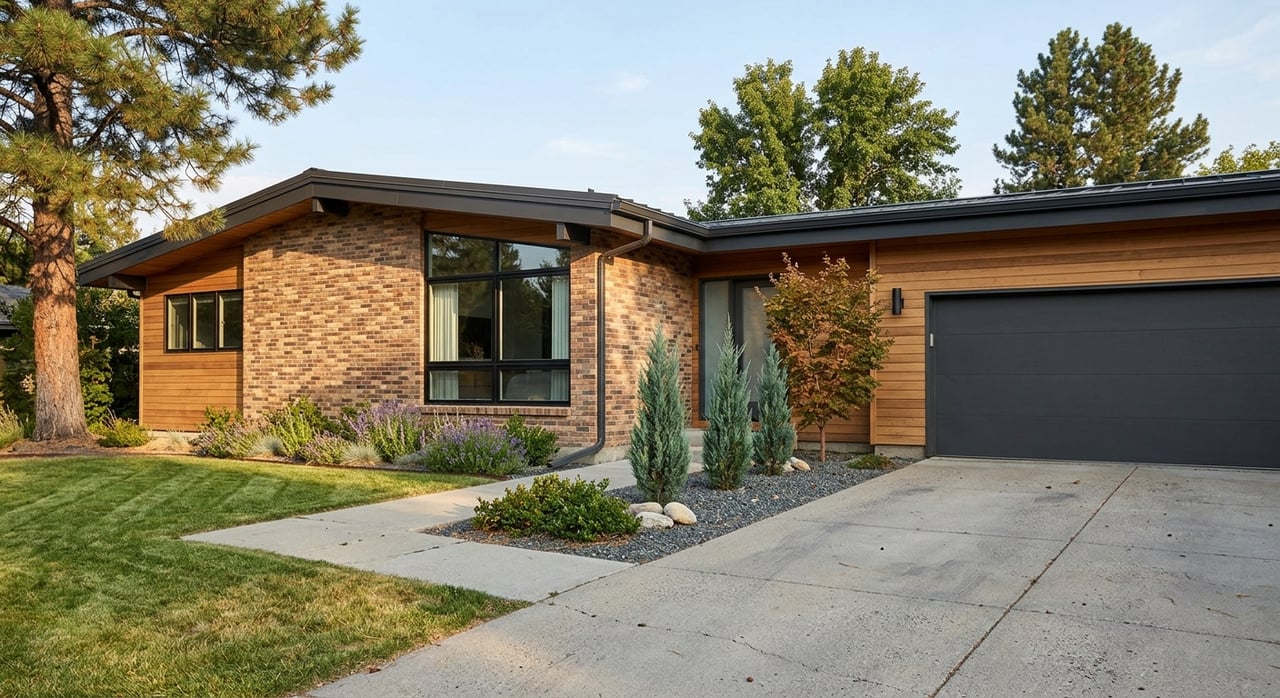
West Valley is the part of Yakima many buyers look at when they want a more space-oriented setting. Planning for the west side has focused on mobility, housing, and parks and open space, with land-use patterns centered on detached single-family homes, local-access streets, and larger setbacks.
In practical terms, that often translates to a neighborhood rhythm with more yards, driveways, and breathing room than you usually find in the urban core. Yakima’s broader planning documents also note that much of the city’s housing expansion moved westward in the form of single-family homes on individual lots.
West Valley Housing Feel
If you picture a home search with detached houses and a less compact layout, West Valley may feel like a strong fit. This area tends to align with buyers who want more outdoor space and a more residential street pattern.
That can be especially helpful if you are moving up from a smaller home or trying to balance indoor space with yard use. It is also a useful area to consider if lot layout and parking matter to your day-to-day life.
West Valley Amenities
West Valley Community Park adds to the area’s everyday appeal. The park covers 26.2 acres and includes shelters, courts, a soccer field, and a playground.
The West Valley branch of Yakima Valley Libraries is also located in the area at 223 South 72nd Avenue. It lists public transit access, nearby retail, and community programming such as a book club.
West Valley School Access
West Valley School District’s boundary information shows multiple elementary schools, a mid-level campus, and West Valley High School within the district. For many buyers, that helps explain why the area often feels oriented around day-to-day residential living.
That said, it is smart to verify school assignment by exact property address rather than assuming by neighborhood name. Boundaries can be more specific than buyers expect.
Downtown Yakima: Compact and Connected
Downtown Yakima offers a very different experience. The city has made downtown revitalization an economic development priority, and planning for the area focuses on retail, urban design, public space, parking, transportation, and development standards.
If West Valley feels more spread out, downtown feels more compact and connected. The city’s comprehensive plan says downtown should remain the center of commercial, civic, and cultural activity, and that shows up clearly in how the area functions.
Downtown Housing Pattern
Downtown is where multi-family development has been more visible in Yakima’s planning history. For you, that usually means a denser housing pattern with less emphasis on yards and more emphasis on proximity.
This can be appealing if you prefer quicker access to services, events, and public spaces over a larger-lot setup. It is a different kind of convenience, and for some buyers, it is the right fit.
Downtown Access and Transit
One of downtown’s biggest strengths is access. Yakima Transit’s Transit Center is located in the downtown core at 4th Street and Walnut, which makes this area especially useful if public transportation is part of your routine.
Downtown also includes Yakima Central Library, which has been in the heart of the area for more than 100 years. Yakima County offices and the courthouse are downtown as well, so civic and public-service access is part of the neighborhood’s everyday identity.
Downtown Things To Do
If you want activity close by, downtown has some of Yakima’s most visible community destinations. The Downtown Association of Yakima highlights shops, dining, work spaces, and recurring events such as First Friday, the Downtown Yakima Farmers Market, and Downtown Summer Nights.
The Capitol Theatre is another important part of the area. The city’s historic register describes it as a focal point for Yakima’s cultural life.
Historic Areas: Character and Detail
Some Yakima buyers are drawn less by lot size or transit access and more by architecture and neighborhood character. In those cases, historic districts and older neighborhoods often stand out.
Yakima’s Historic Preservation Program and Yakima Register are meant to identify, protect, and encourage rehabilitation of significant older properties and districts. That means these areas can offer a distinctive look and feel, but they also call for closer property-by-property review.
Architectural Styles You May See
The Naches Avenue Historic Overlay notes architectural styles such as Classical Revival, Colonial Revival, Folk Victorian, and Craftsman. Elsewhere on the Yakima Register, you can also see examples including Queen Anne, Colonial Revival, and a Craftsman and English Revival blend.
If you enjoy original details, older design styles, and a more established streetscape, these areas may be worth a closer look. They can offer a different experience from both suburban-style west side development and the compact downtown core.
Historic Neighborhood Examples
Yakima’s historic records identify the William N. Irish House in the Nob Hill district. The Brackett House on Tieton Drive is described as one of the city’s finest Colonial Revival examples and is noted for its prominent suburban setting surrounded by orchards.
That suggests an important point for your search. Some historic west-side homes may sit on more generous parcels, while older homes closer to the core may be on tighter blocks.
What to Confirm in Historic Areas
Historic character can be a real plus, but it comes with extra questions. Before planning exterior changes, confirm whether a home is located in a historic overlay or register area, since review expectations may apply there that do not apply in standard residential zones.
This is one of those details that can shape your long-term experience in the home. It is best to verify it early rather than after you fall in love with a property.
How To Match Your Routine to the Right Area
A good neighborhood choice usually starts with your everyday life, not just the number of bedrooms. The best fit depends on how you want to spend your week and what kind of access matters most.
Here is a simple way to think about Yakima’s neighborhood tradeoffs:
- West Valley may fit best if you want detached homes, more yard space, and convenient access to parks and nearby schools.
- Downtown may fit best if you want a compact setting with stronger transit, civic access, and community events nearby.
- Historic neighborhoods may fit best if you value architectural character and established streetscapes and are comfortable doing more parcel-specific research.
If you are comparing areas, try measuring each one against your actual routine. Think about commute patterns, library use, park time, transportation needs, and whether you want more space or more proximity.
What To Verify Before You Narrow Your Search
In Yakima, neighborhood feel is only part of the story. The details tied to a specific parcel can matter just as much.
Before you get too far into the process, make time to confirm these basics:
- Check zoning, future land use, and parcel details using the City of Yakima’s CityMap and Planning FAQ resources.
- Verify school boundaries by exact address, not just by neighborhood label.
- Confirm whether the property sits in a historic overlay or register area before planning updates to the exterior.
- Compare the home’s location to your daily habits, especially if transit, parks, or civic services matter to you.
The city notes that some houses are located in commercial or industrial zoning districts rather than residential ones. That is exactly why parcel-level verification matters.
A Smarter Way To Tour Yakima Neighborhoods
When you tour homes in Yakima, it helps to look beyond the front door. Notice the spacing between homes, the street pattern, nearby public spaces, and how close you are to the services you use most.
A home can be right on paper but wrong for your routine. The goal is to find both the property and the neighborhood feel that support how you actually live.
If you want local guidance as you compare West Valley, downtown, or Yakima’s historic areas, Jeremy Sinnes can help you move forward with a clear, informed plan.
FAQs
What is the housing feel like in West Valley Yakima?
- West Valley is generally more oriented toward detached single-family homes, local-access streets, and larger setbacks, which often creates a more open, yard-focused feel.
What makes downtown Yakima different from West Valley?
- Downtown Yakima is more compact and connected, with stronger access to transit, civic services, cultural venues, shops, dining, and recurring community events.
What should buyers know about historic neighborhoods in Yakima?
- Historic areas can offer distinctive architecture and established streetscapes, but you should verify whether a property is in a historic overlay or register area before planning exterior changes.
How can buyers verify neighborhood details for a Yakima home?
- Buyers should confirm zoning, future land use, parcel details, school boundaries by address, and any historic overlay status before narrowing their search.
Which Yakima area may fit my lifestyle best?
- West Valley may suit buyers who want more space, downtown may suit buyers who want proximity and transit access, and historic neighborhoods may suit buyers who value architectural character and are comfortable with extra research.