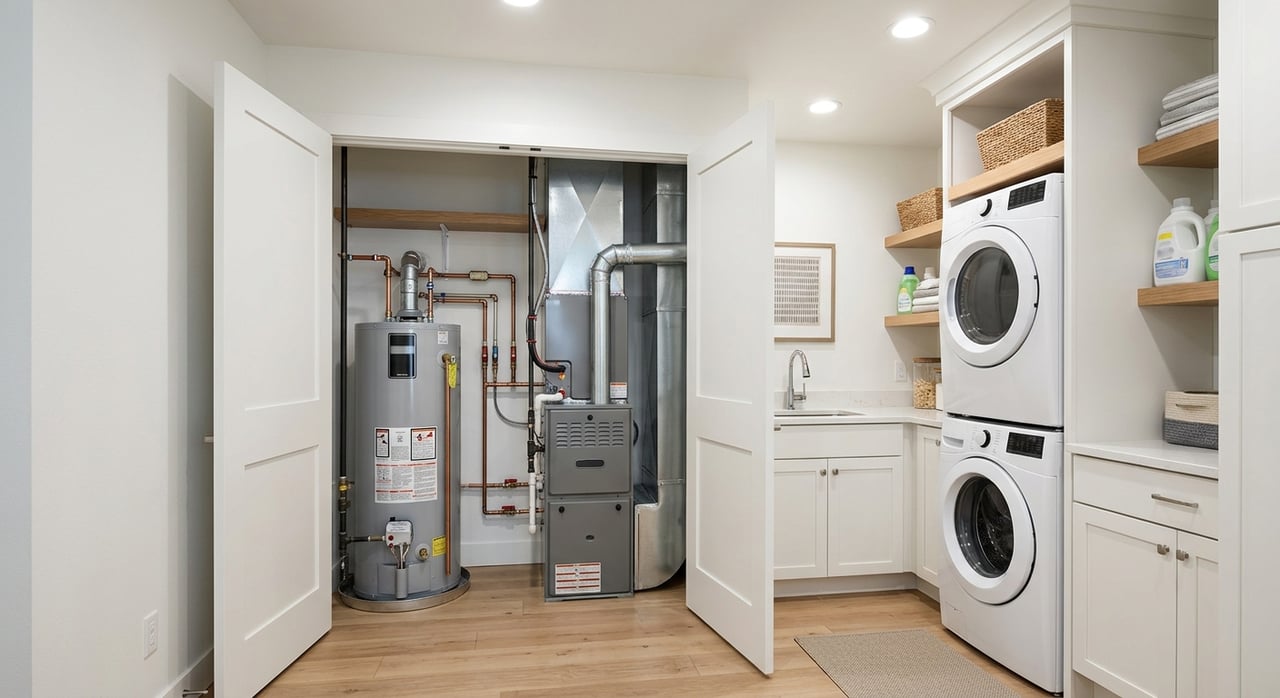
Buying or selling a home in Yakima can feel straightforward until two big steps show up: the inspection and the appraisal. These terms are often grouped together, but they do very different jobs, and knowing the difference can help you avoid surprises, negotiate wisely, and stay on track for closing. If you want a clearer picture of what each step means for your timeline and your decisions, you’re in the right place. Let’s dive in.
What a home inspection does
A home inspection is a professional, non-invasive review of a home’s current condition. In Washington, home inspectors are licensed, and the inspection is meant to give you a practical snapshot of how the home is performing at the time of the visit.
That matters because an inspection is not a guarantee that nothing will go wrong later. It is also not proof that every single issue was found. Washington’s standards allow inspectors to check a representative number of items, such as receptacles and windows, rather than every single one.
For you as a homeowner, buyer, or seller, the big purpose of the inspection is simple: it helps you understand condition. It can point out repair needs, maintenance concerns, or signs that a more specialized professional should take a closer look.
What an appraisal does
An appraisal is different. It is a written, independent opinion of a property’s value, usually for the lender during the mortgage process.
The appraiser looks at the property and compares it with nearby homes to help explain value. In Washington, real estate appraisers are licensed, and for a typical home loan, the lender may require a new appraisal and may require the borrower to pay for it.
The appraisal is mainly about value for lending purposes, not a full condition review. While condition can affect value, the appraiser is not stepping into the same role as the home inspector.
Inspection vs. appraisal at a glance
| Step | Main purpose | Who usually orders it | What it helps answer |
|---|---|---|---|
| Home inspection | Review the home’s current condition | Buyer | Are there repair issues or follow-up concerns? |
| Appraisal | Estimate market value for the lender | Lender | Is the home worth the amount being financed? |
This is one of the most common points of confusion in a real estate deal. If you remember one thing, remember this: the inspection is about condition, and the appraisal is about value.
When inspections and appraisals happen
In most transactions, the inspection happens first. Once a buyer chooses a home, it is smart to schedule the inspection as soon as possible so there is time to review findings, request repairs if needed, and decide whether any additional inspections should be added.
The appraisal usually comes later during loan processing. Since the lender orders the appraisal, buyers typically have less direct control over its timing.
That order matters. The inspection often helps a buyer decide whether to move forward before key contingency deadlines. The appraisal comes after that, as part of the lender’s work to finalize the loan.
Why attending the inspection can help
If you are the buyer, attending the inspection can make the report much easier to understand. You can hear the inspector explain concerns in real time and ask practical questions about what is serious, what is routine maintenance, and what may need another expert.
This does not mean you need to know everything on the spot. It simply gives you better context so you can make calmer, more informed decisions after the report comes in.
For sellers, this is also helpful to understand because many buyer concerns start with how findings are explained. A clear inspection conversation often leads to more focused repair requests instead of confusion.
What is negotiable after an inspection
Inspection results often open the door to negotiation. If the contract includes an inspection contingency, a buyer may be able to ask the seller to make repairs, pay for repairs, or adjust the terms based on what the inspection found.
If the results are not acceptable, the buyer may also be able to cancel without penalty, depending on the contract terms. Whether a seller agrees to repairs or credits often depends on the specific issues and current market conditions.
For sellers in Yakima, this is why preparation matters. Even when a home shows well, condition questions can still affect the deal once the inspection report arrives.
What happens if the appraisal is low
A low appraisal creates a different kind of problem. Because the appraiser’s role is meant to be independent, the value itself is not something the parties simply negotiate with the appraiser.
If the appraisal comes in below the sale price, buyers often use that lower value to try to renegotiate the price with the seller. If the seller will not reduce the price, the buyer may decide to cancel, depending on the contract.
There is one more option in some situations. If the borrower believes the appraisal includes errors, missing information, or weak comparable sales, they can ask the lender to reconsider the value.
How inspections and appraisals can affect closing
Both steps can slow or complicate closing, but for different reasons. An inspection can uncover issues that lead to repair negotiations, specialist inspections, or a buyer decision to walk away.
An appraisal can affect financing. If the lender believes the property needs certain repairs, or if a loan program has property standards that are not being met, the lender may require repairs before closing or may require funds to be set aside for the work after closing.
This is one reason process matters so much. Good timeline management gives you room to solve problems instead of feeling boxed in at the last minute.
Yakima homes often need extra follow-up
In Yakima, some properties need more than a general home inspection. This is especially true for rural or acreage properties, where systems like wells and septic can play a much bigger role in your due diligence.
A general home inspection is still the right first step in most cases. But if the home has a private or shared well, a septic system, or missing records, you may need a specialist to fully evaluate that part of the property.
That is not a sign that something is wrong. It simply means some systems require expertise that goes beyond a standard inspection.
Well systems in Yakima
Yakima County recommends annual testing for nitrate and coliform bacteria for well users. For shared wells, the county requires a well site inspection and recent nitrate and coliform test results.
If there is no well log on file, a licensed well professional may need to complete a pump test. That test can document flow rate, static water level, and total well depth.
For buyers looking at country properties, this is a key reason not to rely on the general inspection alone. Water source questions deserve their own review.
Septic systems in Yakima
Septic systems are another area that often falls outside the scope of a standard home inspection. Yakima County recommends septic inspections at least every three to five years, with more frequent checks for systems that have pumps or other mechanical parts.
If county records are missing, or if the system predates record keeping, Yakima County may use an Existing System Evaluation to identify the system’s size, type, suitability, and location. That can be especially important in older or more rural properties.
For both buyers and sellers, the takeaway is clear: if the property has a septic system, it is smart to treat that as its own due diligence item.
A simple way to think about both steps
If you feel overwhelmed by all of this, here is the simplest way to frame it. The inspection helps you understand what shape the home is in. The appraisal helps the lender decide what the home is worth for the loan.
Both matter, but they answer different questions. When you know that upfront, it becomes much easier to understand what is negotiable, what is not, and when to bring in a specialist.
How to prepare as a buyer or seller
Whether you are buying your first home or coordinating a sale and purchase at the same time, a little preparation can make these steps feel much more manageable.
If you are buying
- Schedule the inspection quickly after going under contract
- Attend the inspection if possible
- Read the report for major concerns first, then maintenance items
- Be ready to order follow-up inspections for wells, septic, or trade-specific issues if needed
- Review the appraisal as soon as your lender provides it
In Washington, for a typical mortgage, the lender must send the borrower a copy of the appraisal, and the borrower should receive it no later than three days before closing. That gives you time to review it before the final stretch.
If you are selling
- Expect buyers to look closely at condition, even in a strong market
- Be ready for repair requests after the inspection
- Keep records for well or septic maintenance if they apply to your property
- Understand that appraisal issues can affect financing, even after a buyer is committed
For Yakima sellers, homes with rural features often benefit from extra organization before listing. Clear records and realistic expectations can help reduce stress once the transaction is underway.
A smooth transaction usually comes down to good communication, smart timing, and knowing which questions need a general answer and which need a specialist. If you want local guidance on how inspections, appraisals, wells, or septic concerns may affect your next move in Yakima, reach out to Jeremy Sinnes for straightforward advice and a plan done the right way.
FAQs
What does a home inspection cover in Washington?
- A Washington home inspection is a professional, non-invasive review of a home’s current condition, but it is not a guarantee against future problems and does not confirm that every defect was found.
What does a home appraisal do in a Yakima real estate sale?
- A home appraisal provides an independent written opinion of value, usually for the lender, to help determine whether the property supports the loan amount.
Which happens first in a Yakima home purchase: inspection or appraisal?
- In most cases, the inspection happens first so the buyer can review condition issues early, while the appraisal follows later during the lender’s loan process.
Can inspection results be negotiated in a Yakima home sale?
- Yes. Inspection findings are often negotiable, and buyers may ask for repairs, payment for repairs, or other changes depending on the contract and the situation.
What happens if an appraisal comes in low in Yakima?
- A low appraisal may lead to a price renegotiation, a contract cancellation depending on the terms, or a request to the lender for reconsideration if there are errors or missing information.
Do Yakima rural properties need more than a general home inspection?
- Often, yes. Properties with private or shared wells or septic systems may need separate specialist inspections or testing beyond the general home inspection.